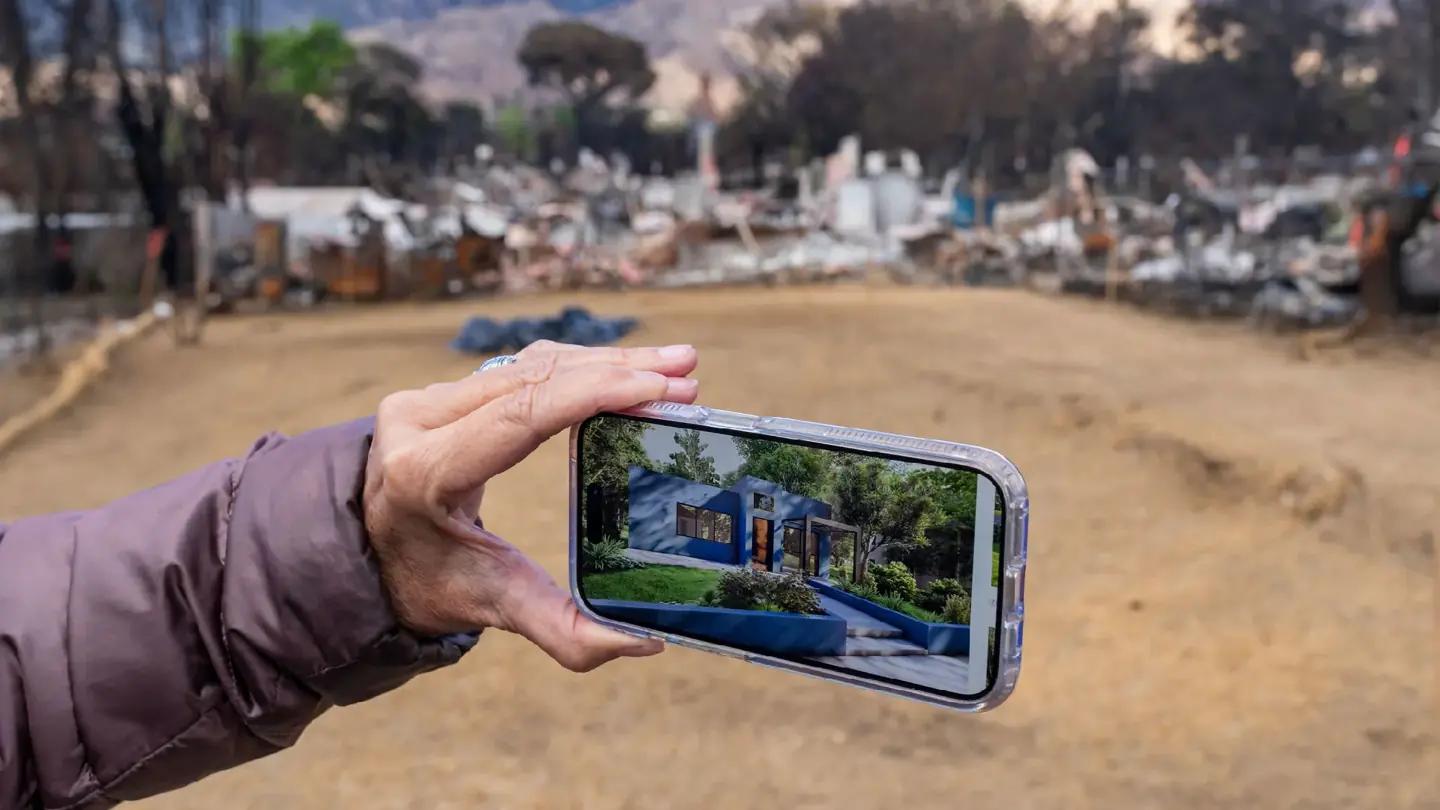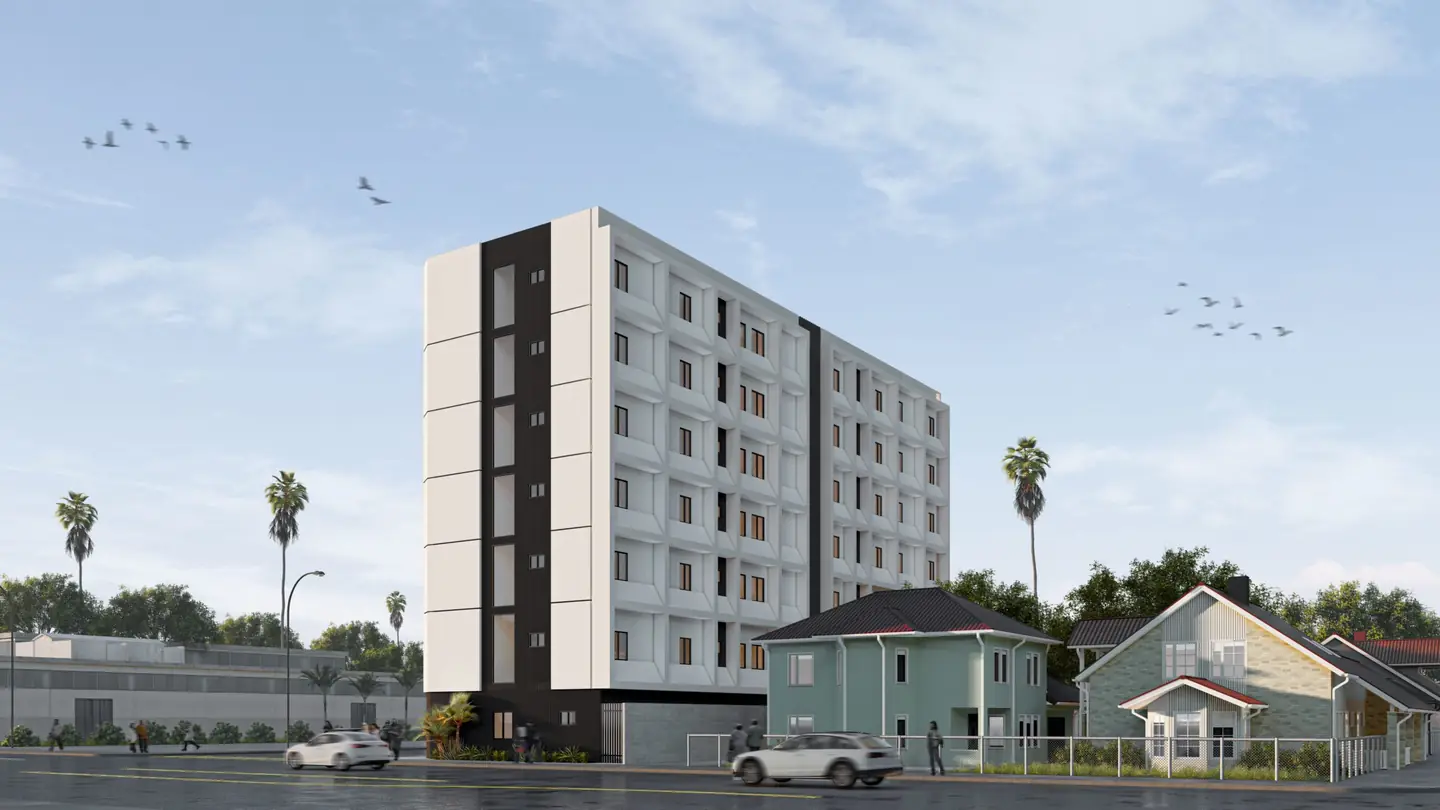
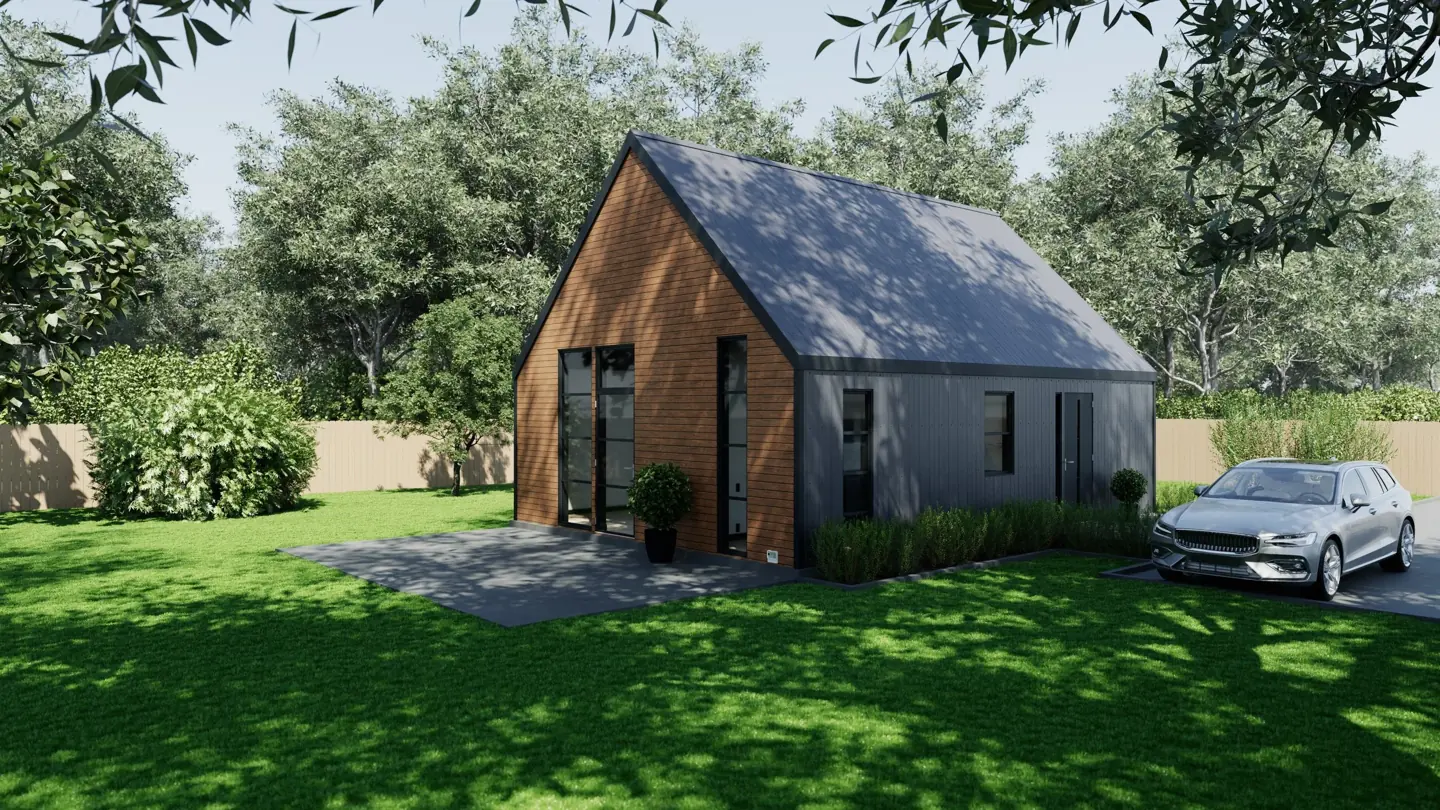
California's SB 9 creates a streamlined path for qualifying housing in areas zoned for single family homes. It can support a development with up to two primary homes, a division of one parcel into two, or a combination of both. HCD's April 2026 guidance explains these options. The right starting point is the property's zoning, existing housing and site conditions.
Choose the development path first
A proposal for two primary homes does not necessarily divide ownership into separate parcels. An urban lot split is a subdivision process with its own application and mapping requirements. Combining the pathways can create up to two homes on each resulting lot, subject to the rules that apply to the property. Accessory dwelling units follow additional provisions, so do not assume every scenario allows extra ADUs.
Check the property before drawing a layout
The state rules address urban location, zoning, protected housing, tenancy history and specified environmental constraints. Proposed demolition or alteration of certain affordable, rent controlled or recently rented housing can prevent eligibility. Historic resource rules require attention to the actual designation and proposed work; a broad statement that every historic district parcel is excluded is insufficient.
Local objective standards still matter where state law allows them. SB 9 limits standards that would frustrate qualifying housing, but it does not remove building safety requirements or guarantee that a preferred design will fit.
Understand the commitments of a lot split
The subdivision rules cover the size and proportions of the resulting parcels, earlier SB 9 splits, access and required easements. Applicants generally must sign an affidavit that they intend to use one home as their principal residence for at least three years after approval, with statutory exceptions for specified organizations. Rentals of units created through this process must last longer than 30 days. These obligations belong in the feasibility discussion before an application is filed.
Build an application around verified information
Los Angeles City Planning provides separate resources for two unit developments and urban lot splits. Confirm the responsible jurisdiction and obtain its current forms. Assemble the parcel information, existing building records, occupancy history and proposed scope before asking the planning office to evaluate the route. A concept sketch should follow those findings, with access, utilities and the permit sequence considered together.